While the Plaza de Armas is Cusco’s main square, San Blas is the city's hidden rooftop oasis where the real magic happens.
Forget the flat streets and heavy traffic. Here, you’ll swap car horns for the sound of footsteps on cobblestones, acoustic music drifting from a balcony, and the aroma of freshly roasted specialty coffee.
At WiraTrips, we’ve explored every nook and cranny, from the colonial mansions to the most underground spots, to put together the only guide you’ll need to make the most of the “Artisans’ Quarter.”
🗺️ Where is San Blas?
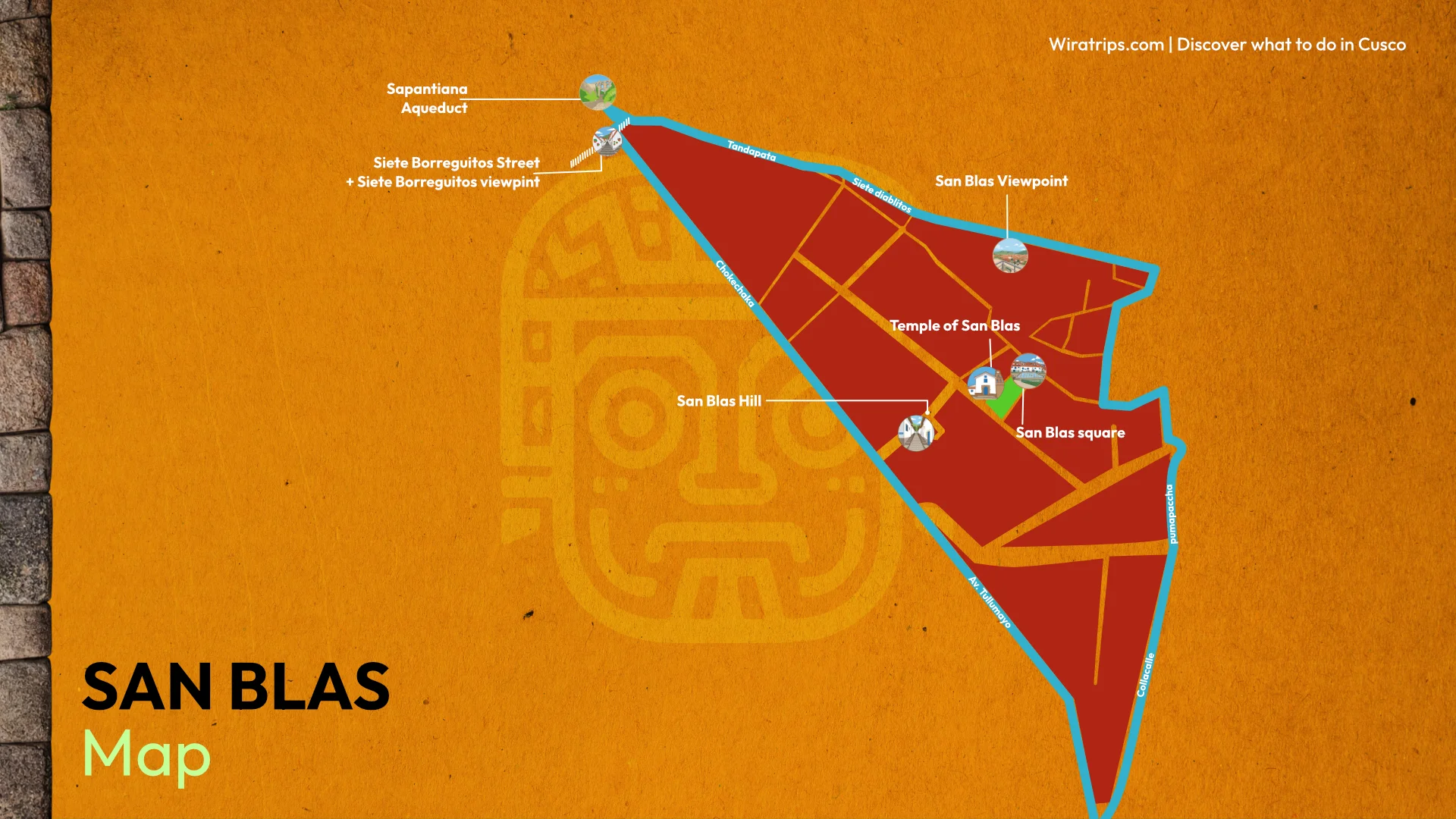
San Blas is part of Cusco's Historic Center. It's located northeast of the Plaza de Armas, and on the map, it looks like it's just a stone's throw away. But be warned: that “stone's throw” is uphill.
🎨 What makes San Blas special?
Most tourists walk up, take a photo in the square, and head back down. But the true charm of San Blas can’t be grasped in a ten-minute visit. What makes it unique is its stark contrast and creative energy.
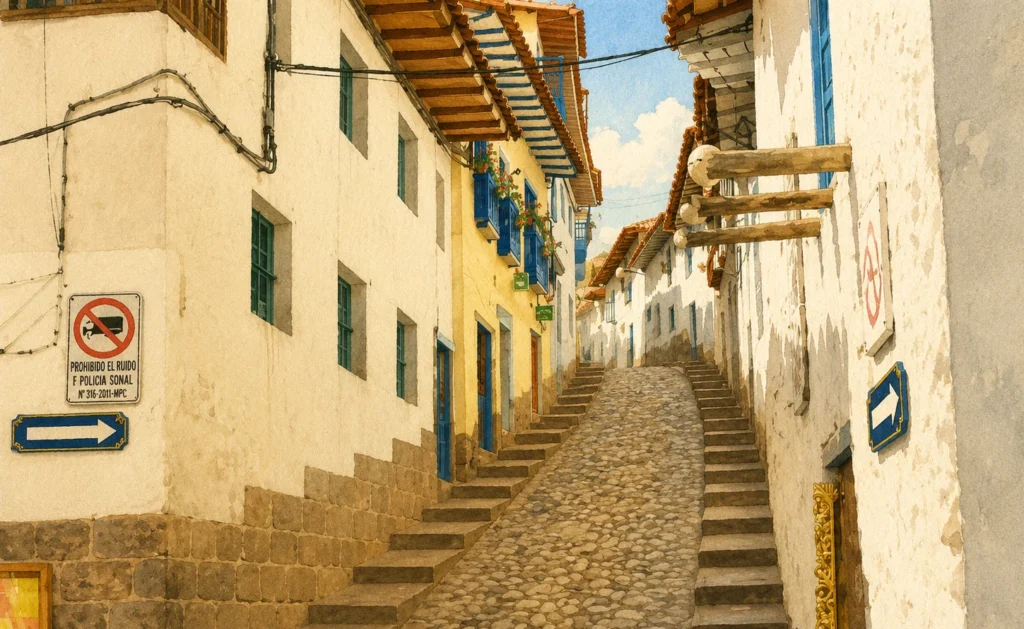
- Architecture with character: Cobblestone streets, Inca walls, and weathered colonial balconies. It’s a raw, imperfect, and 100% authentic visual mix.
- No car horns: Its steep, narrow streets make it almost entirely pedestrian-friendly. It’s your quiet escape from the chaos and traffic of the historic center.
- Creative DNA: It has always been the cradle of great traditional artisans (such as the Mendívil family). Today, that same energy attracts digital nomads, visual artists, tattoo artists, and the independent music scene.
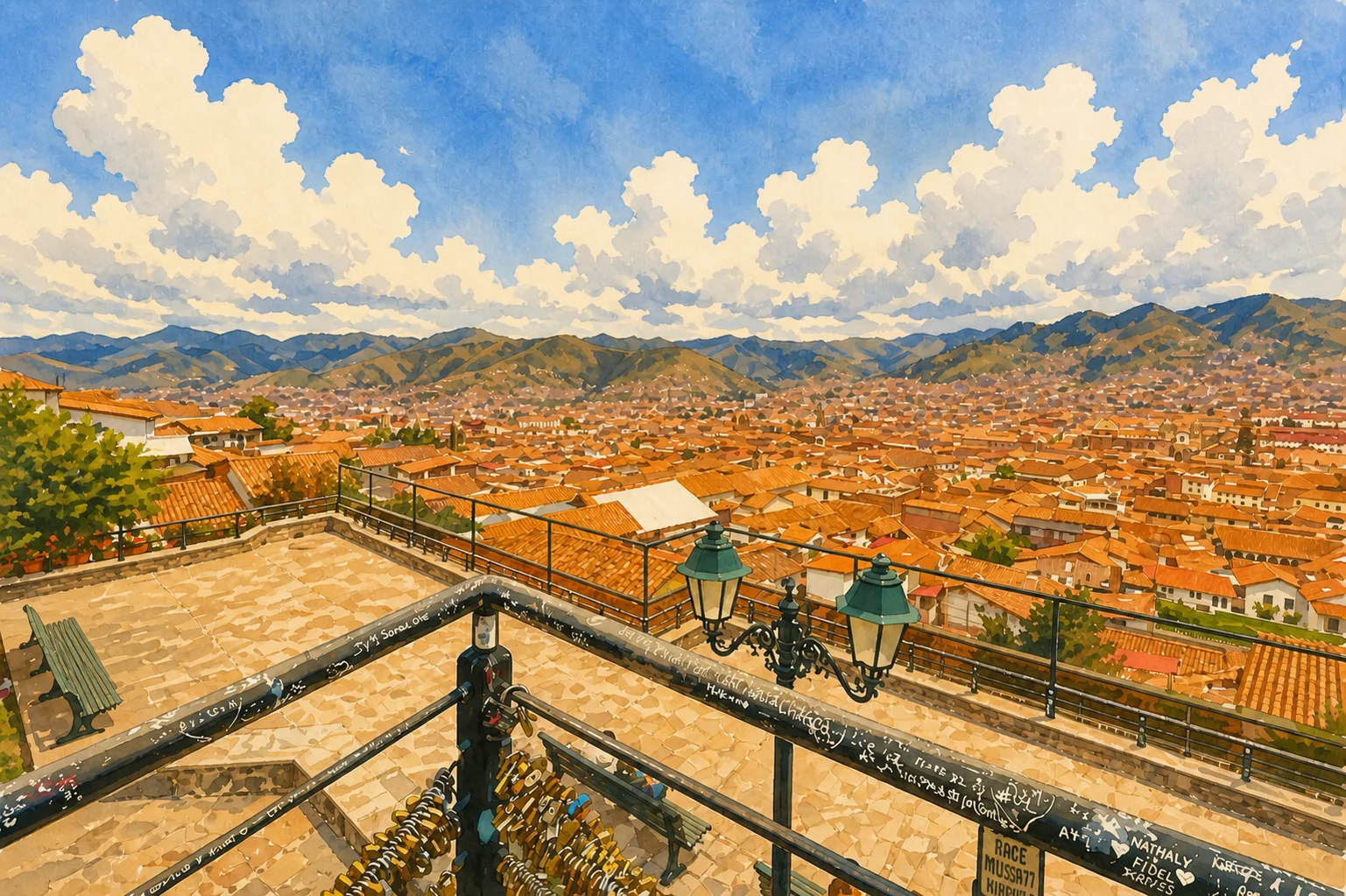
- The world from above: Perched on the mountainside, it offers the best view of the city. Its sunsets over the red-clay rooftops are unmatched.
📸 What to see in San Blas?
You don't need a detailed map of San Blas; it's best to just wander around. But if you want to make sure you see the highlights, enter these locations into your GPS:
The San Blas Hill
It is the main street connecting downtown with the neighborhood. It is steep and narrow, but lined with small shops, cafés, and workshops.
The Square and the Temple San Blas
The heart of the neighborhood. The small square features a central fountain, stone basins, and benches that are perfect for sitting and watching people go by.
From the outside, the church looks simple, but inside it houses a stunning masterpiece: the pulpit of San Blas.
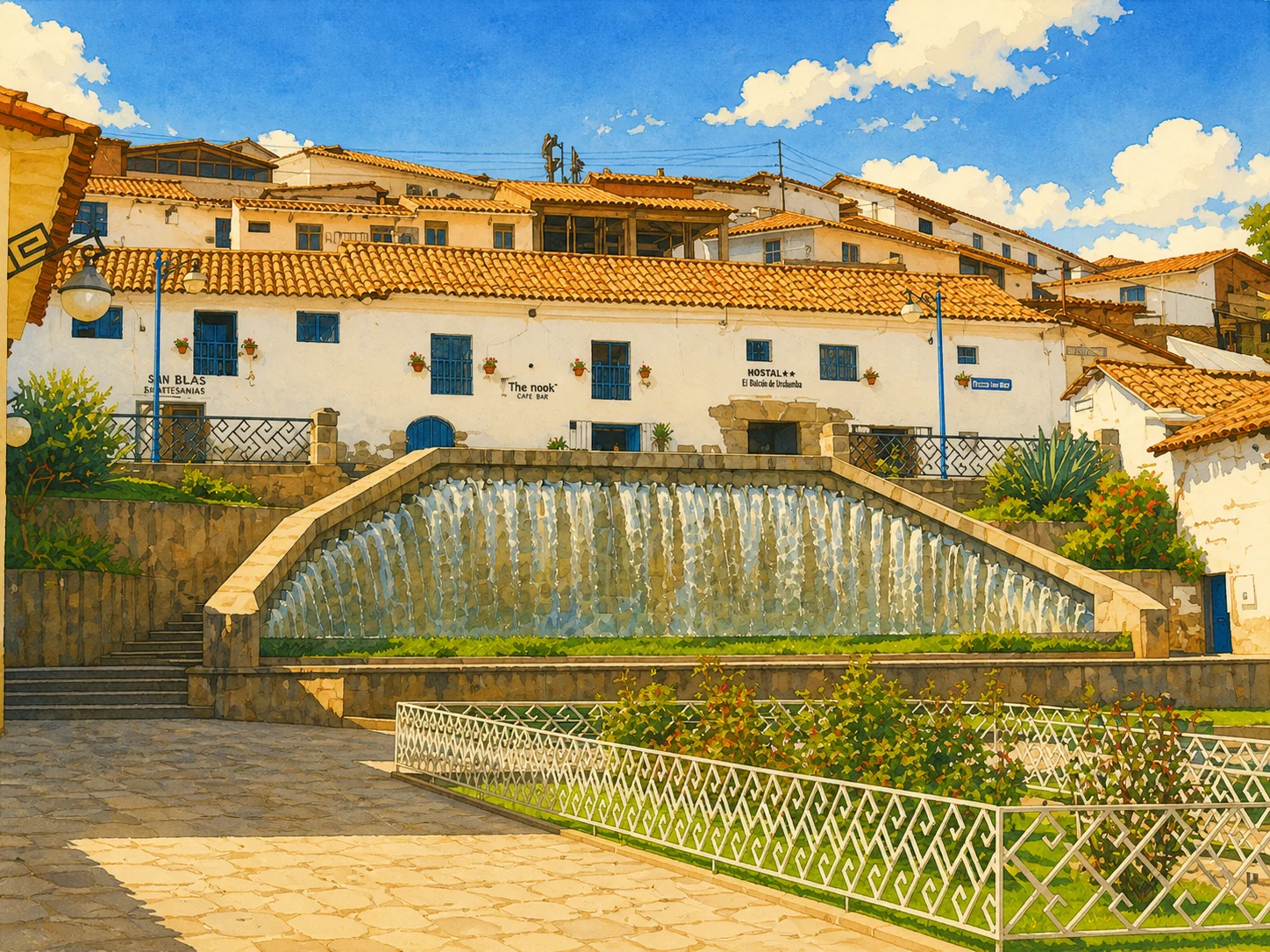
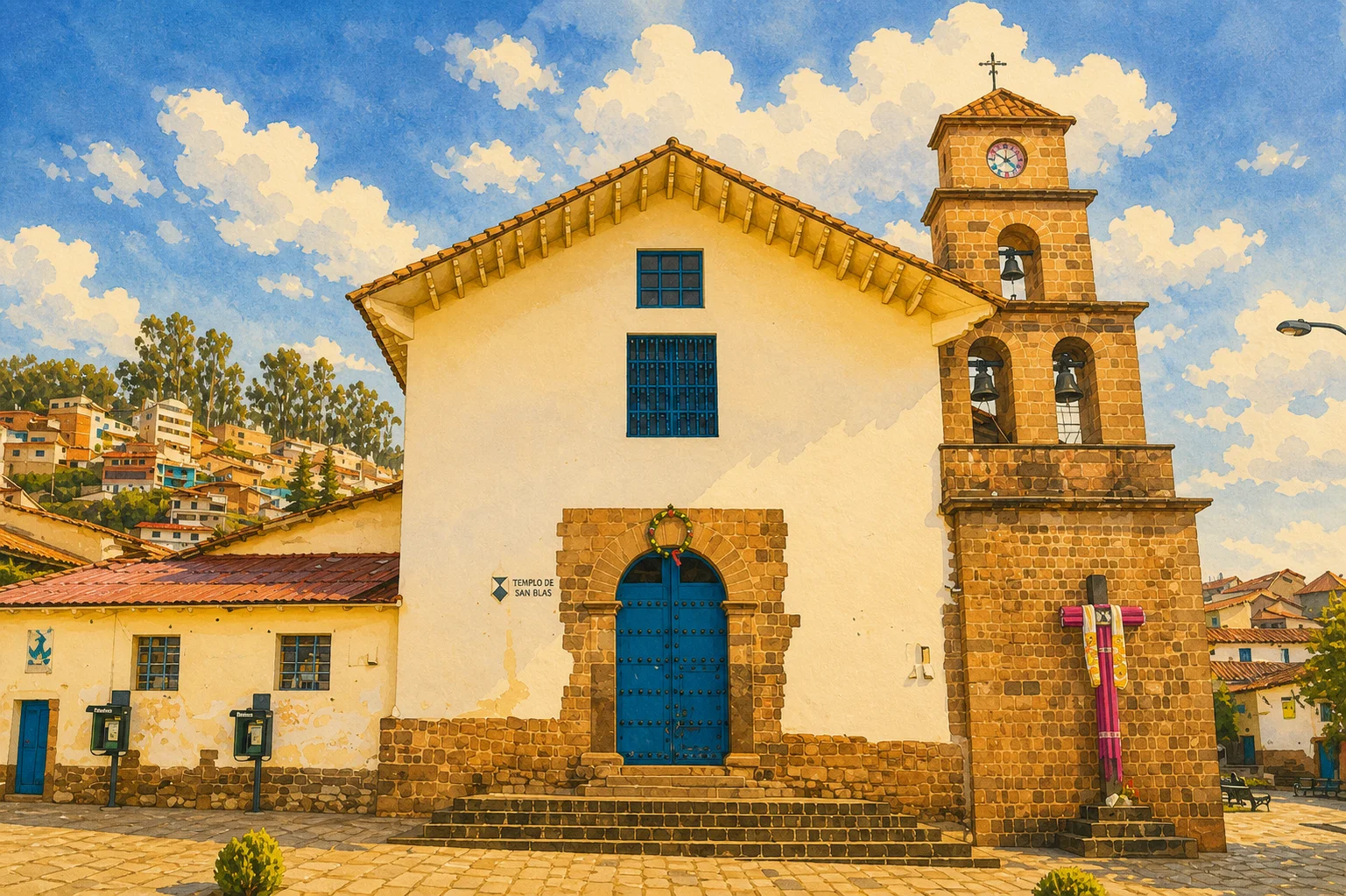
The San Blas viewpoint
As you walk up Pasñapakana Street (yes, get ready for more steps), you'll come to this open balcony.
Tandapata Street
This is where you really get a sense of the neighborhood. Weathered adobe walls and exposed stone blend with artisanal pizzerias, backpacker hostels, local bakeries, and bars
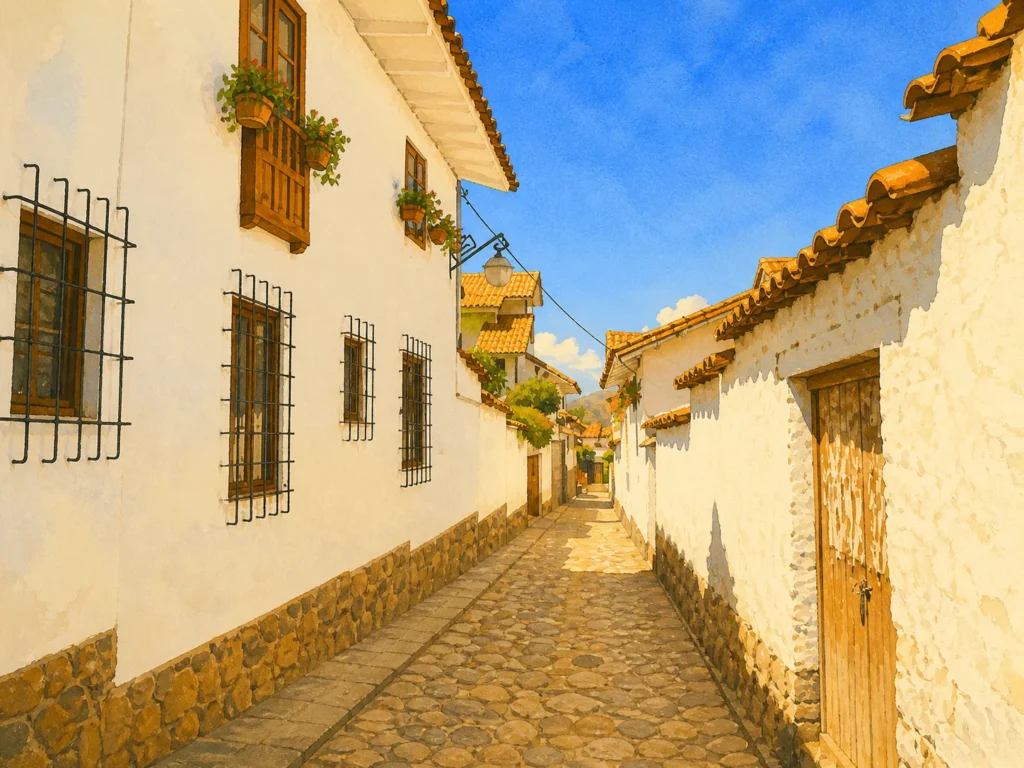
Siete Borreguitos
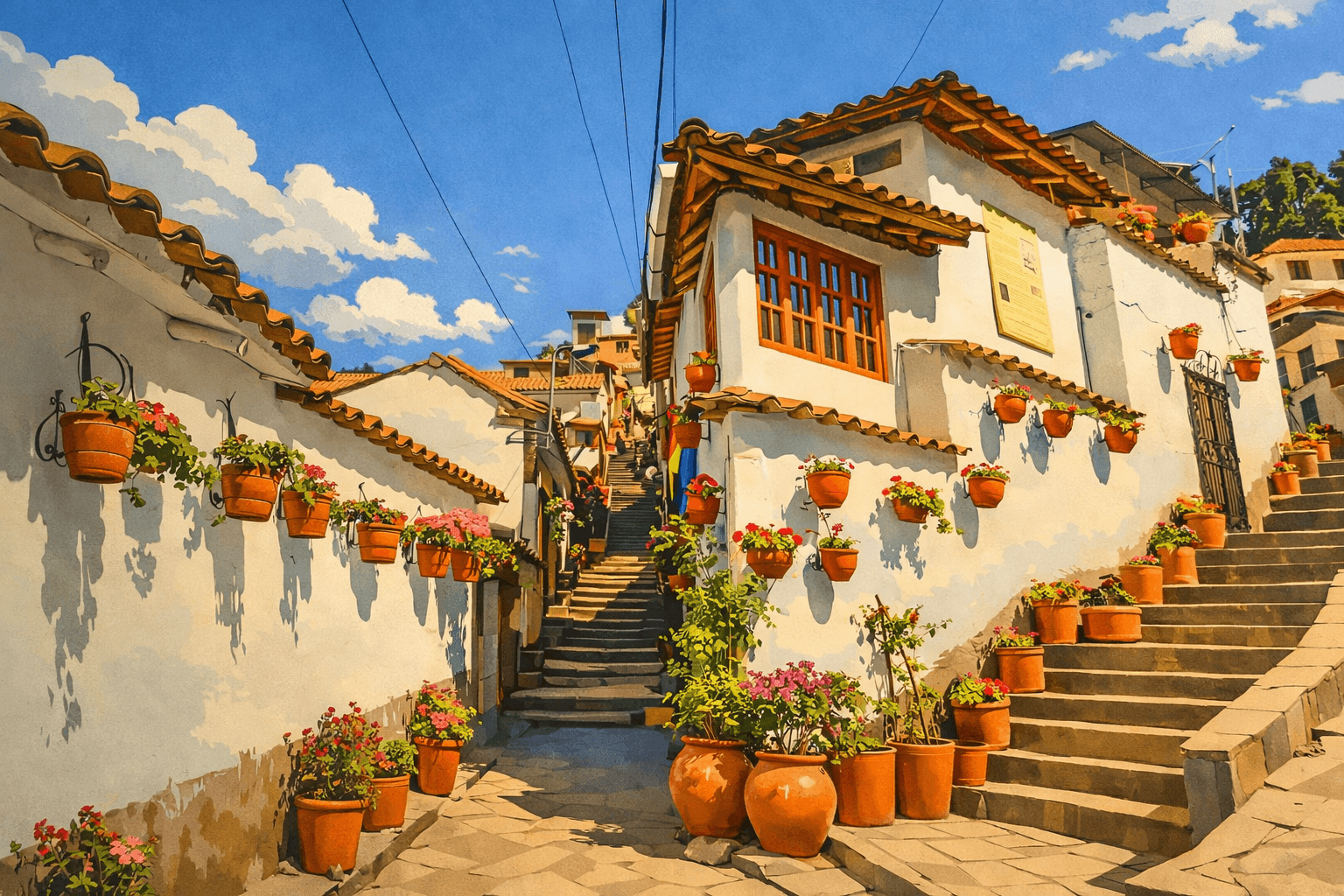
Possibly the most “Instagrammable” and photogenic street in all of Cusco, located on the edge of San Blas, heading down toward the Sapantiana Aqueduct. It’s a narrow, stepped descent.
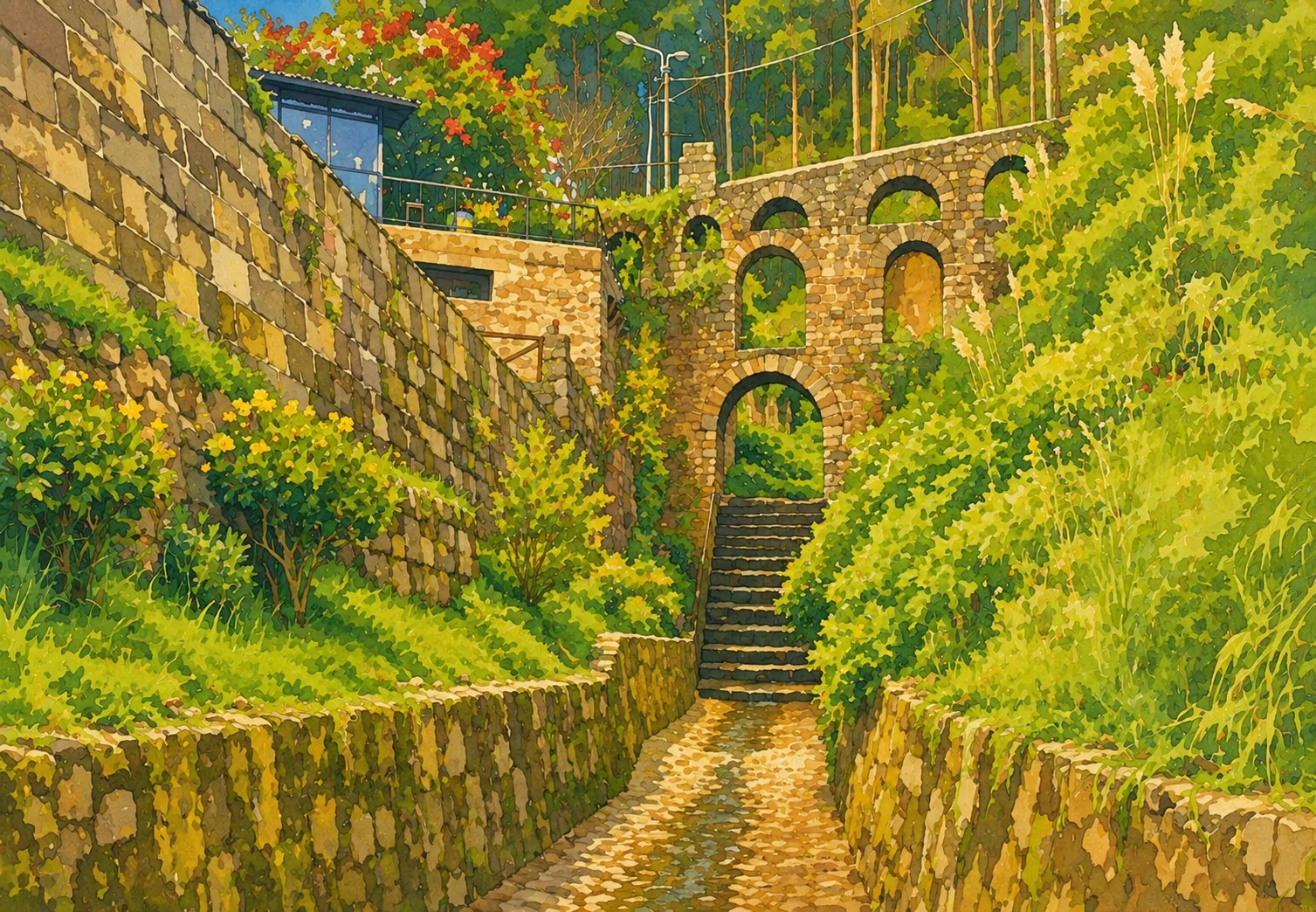
Sapantiana Aqueduct
A feat of hydraulic engineering born of colonial ingenuity, a place where Cusco’s colonial past meets the modern world.
🖼️ Art Galleries in San Blas
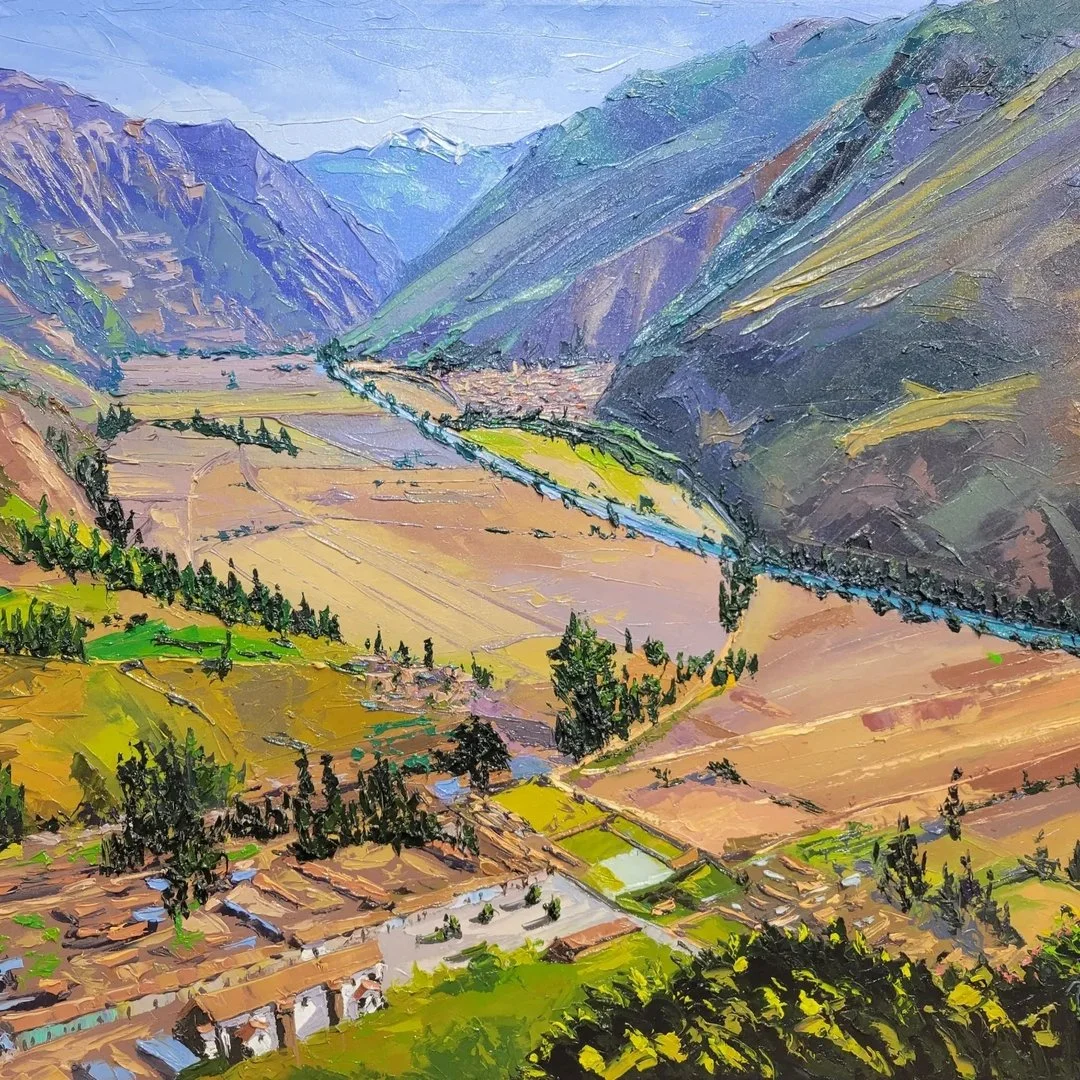
San Blas is known as the artisans' neighborhood for a reason. The styles that define Cusco's art were born here.
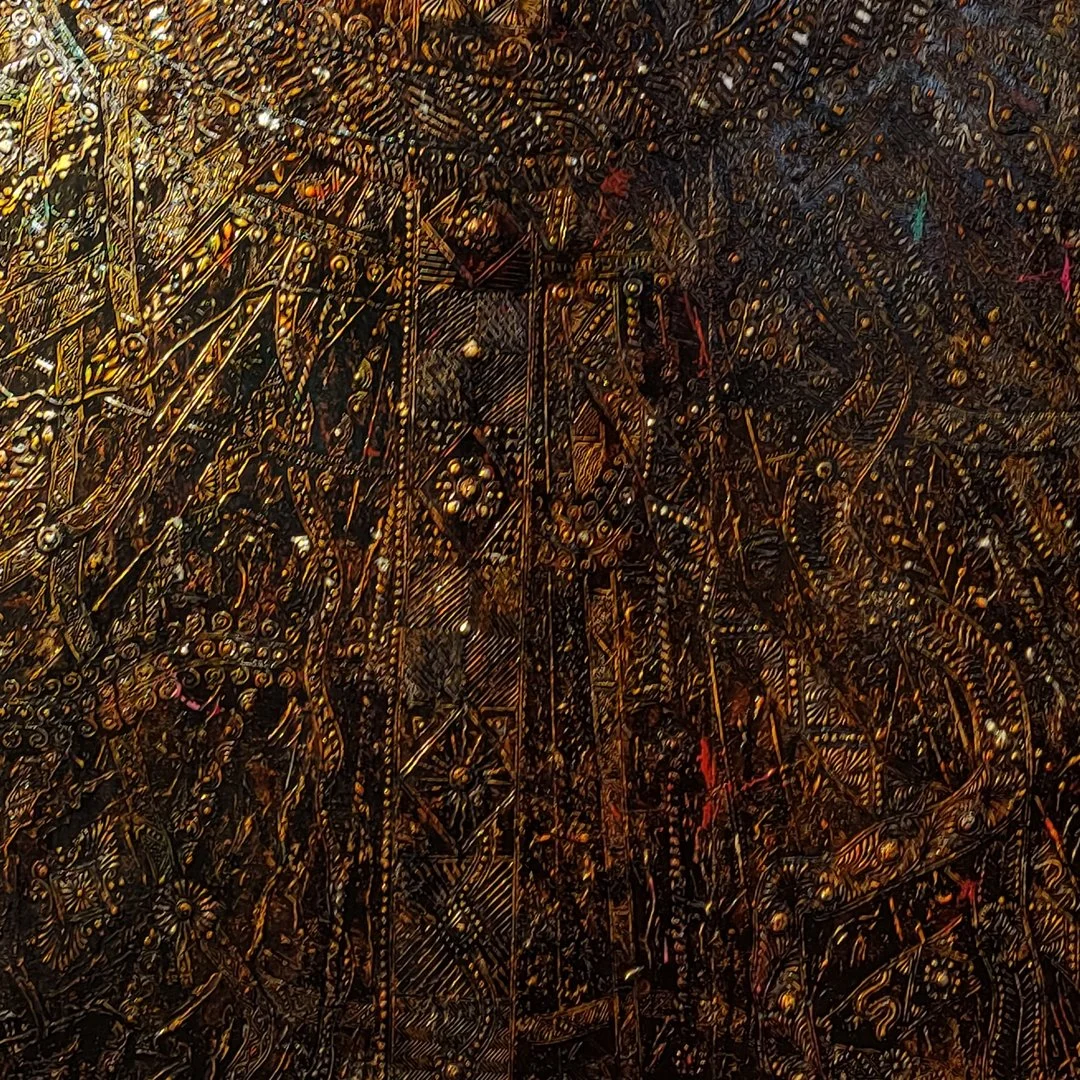

Xapiri Ground
🍸 Bars and Restaurants in San Blas
🍽️ Unique and Gourmet Experiences


Perucho
🥗 Vegan Restaurants

Green point Vegan Restaurant
Chia Vegan Restaurant
NaturAle Cusco
Govinda Lila Vegan Food
🥪 Diverse Dining Options

Pachapapa

Chakruna Native Burgers
Soqa

CHIKARA SUSHI – Nikkei Kitchen
Jama Restobar
🍸 Bars
Limbus Restobar
ViewHouse
Beers and Burguers

Dr Beer & Miss Potato
Km 0 Restobar
L’apéro – Raclette Andina
Black Bird San Blas
Black Bird
☕ Cafes in San Blas

Espresso 18
Brew Brothers Specialty Coffee
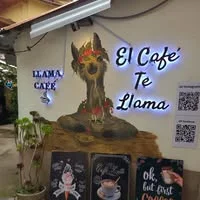
Ápice Café
Kaldi Coffee
Blas Café Bar Lounge
Barrio Cafe Cusco
Jack’s Café
Jill’s : Cafe