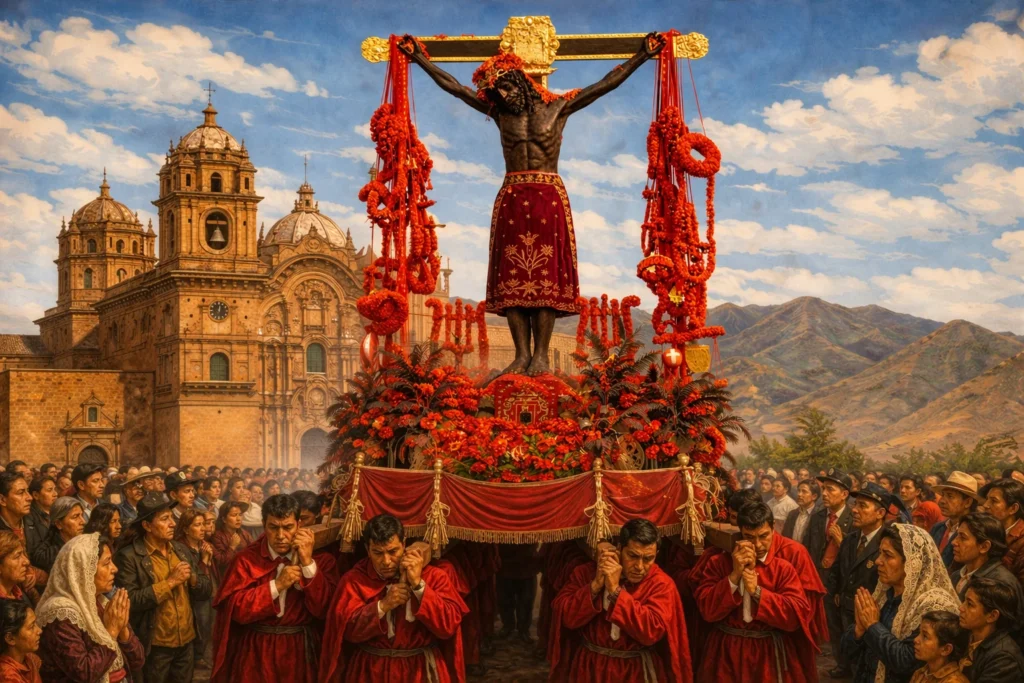
January marks the beginning of a new year, but in Cusco, the year doesn't really start until the Patron Saint Sebastian takes to the streets.
This patron saint festival, celebrated in the district that bears his name, is not only an expression of faith: it is also the first major collective gathering of the year.
The festival of Saint Sebastián officially opens the cycle of celebrations in Cusco. What happens here: the procession, the dances, the food—announces that Cusco is once again entering a time of celebration.
📜 What is the San Sebastián festival?
The Patron Saint Festival of Saint Sebastián is one of the most significant religious and cultural events in the Cusco calendar.
Focusing on Patron Saint Sebastian, it is a celebration that combines Catholic tradition and Andean cultural heritage, and he is worshipped as the protector of the district that bears his name.
Each year, a different Carguyoq leads the festival, working alongside the district authorities, the parish, the Brotherhood of the Patron Saint's Bearers and the dance associations to organise the event.
As well as the religious ceremony, the festival provides an opportunity for people to come together socially: neighbourhoods, families, dance troupes and communities organise themselves for weeks in order to participate actively.
📅 When is the patron saint festival of San Sebastián celebrated in Cusco?
The festivities take place in three key moments:
The Eve and Triumphal Entry: January 19
On 19 January, the day before the main festival, the initial preparations begin with parades featuring the district's 25 folk dance troupes, as well as that year's stewards, who arrive bearing gifts for the patron saint that have already been blessed. The streets fill with devotees and visitors, while restaurants and houses surrounding the district's plaza sell food.
As night falls, the celebrations continue with fireworks, the burning of reed castles and performances by groups and singers, which go on until late.
Main Day: January 20
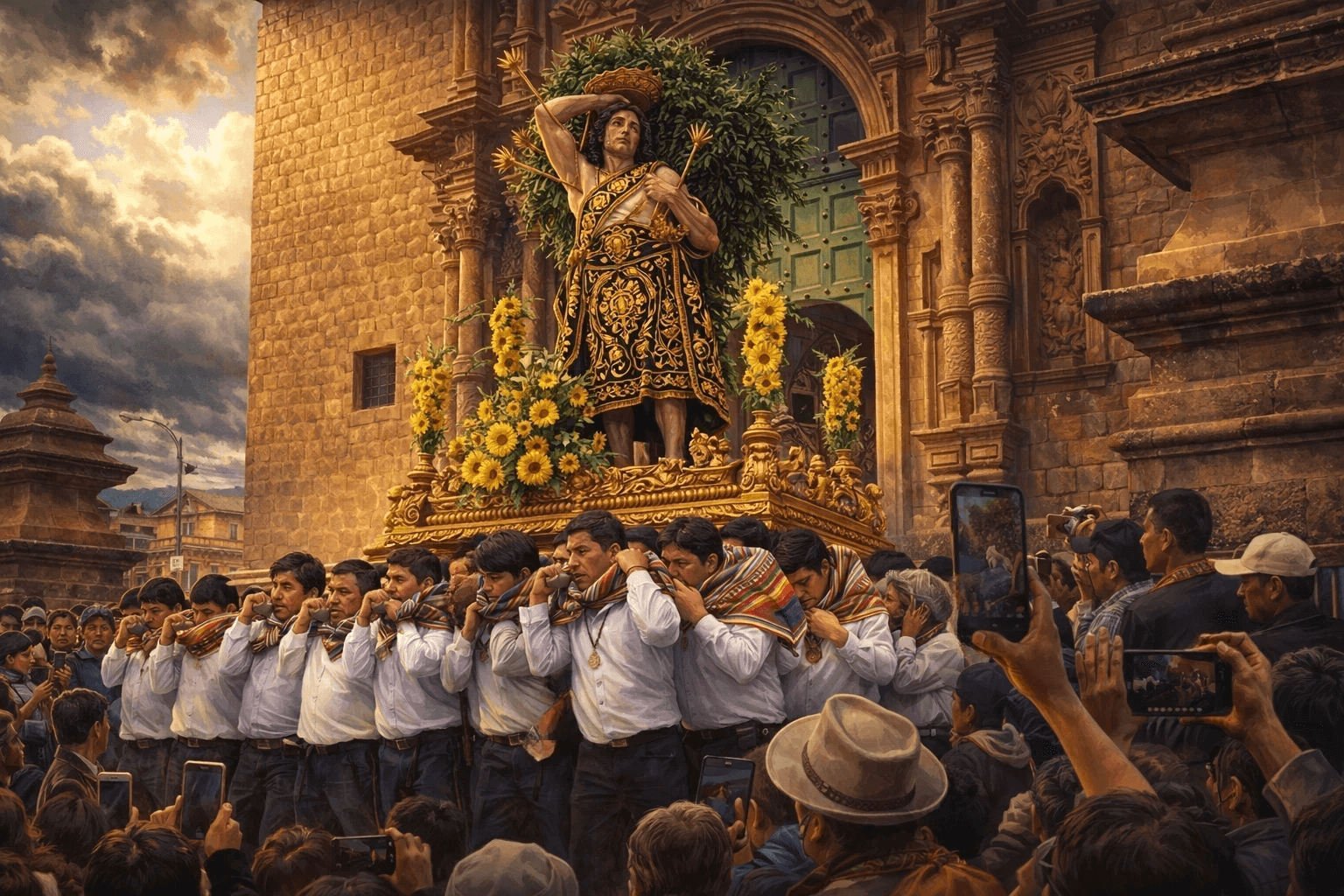
The festivities begin with the first mass of the day at 6:00 a.m., followed by a procession at noon during which the patron saint is carried on the shoulders of his devotees through the streets, some of whom walk barefoot as an act of devotion. Folk dance troupes follow the procession.
The Eighth: January 28
The festivities continue until the 8th, also known as the octave, reaffirming the community spirit of the festival.
Although less intense than the main day, there is still plenty of music, food and festivities, reminding us that San Sebastián is not just a one-day event.
🙏 The procession of the patron saint San Sebastián
The procession is one of the most eagerly awaited and significant events. The image of the saint is carried through the district's main streets:
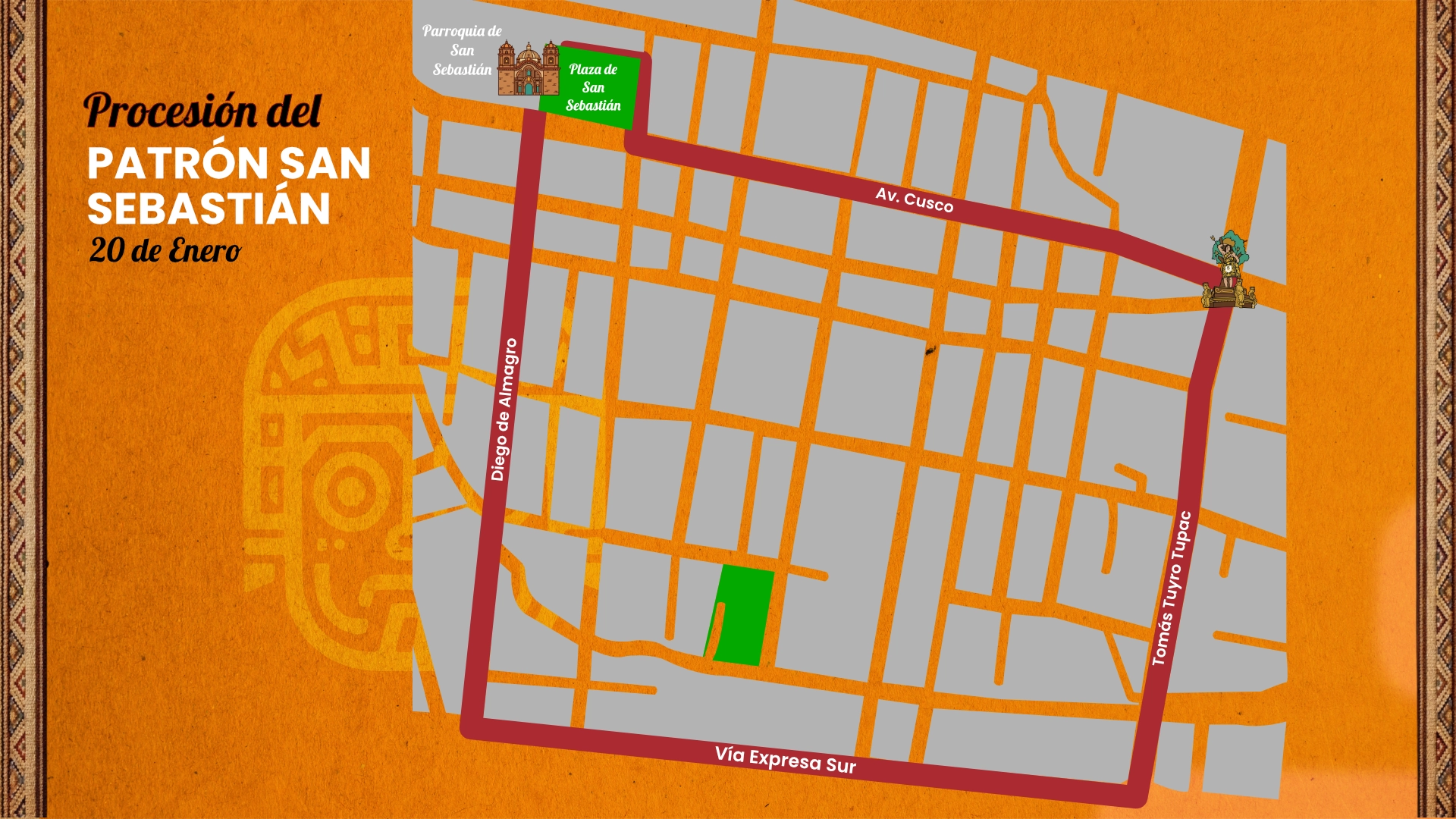
Starting from the Parish Church of San Sebastián, it goes down Diego de Almagro Street to the expressway. From there, it goes up Tomás Tuyro Tupac Street and finally passes through Cusco Avenue before returning to the parish church.
During the procession, people in the surrounding buildings throw white and red rose petals.
📍 Where does the procession start and where does it end?
Although the inclusion of the Patron Saint Sebastian begins and ends his journey at the district parish church. He travels around the streets near the square, starting at Diego de Almagro Street and returning to the parish church via Cusco Avenue.
🦶 Why do his devotees go barefoot?
The tradition of going barefoot when carrying the image has several origins in the collective memory, many of which link Christian practices with Andean beliefs.
One explanation suggests that walking barefoot refers to ancient customs in which people walked without shoes as a sign of respect for Pachamama and sacred places.
When Christianity arrived, this custom merged with Catholic rites, resulting in this unique expression of faith.
According to oral accounts collected from the Sebastianos themselves, removing one's shoes before carrying the image is an act of offering and devotion. Many believers think that doing so strengthens their prayers for health, prosperity or relief from personal or family suffering, as a way of submitting to the saint's will and literally walking alongside him throughout the procession.
🍽️ Traditional foods of San Sebastián
Chupe of Pears, an iconic dish from the San Sebastián district, is a traditional preparation that is especially popular at this time of year.
This thick, nutritious soup usually contains potatoes, milk, cheese and, in some cases, meat. However, Chupe of Pears replaces meat with the natural sweetness of fruit, offering a unique flavour profile that is characteristic of Andean cuisine.
Despite being the district's signature dish, it is becoming increasingly rare at the festival, with few places still offering it.
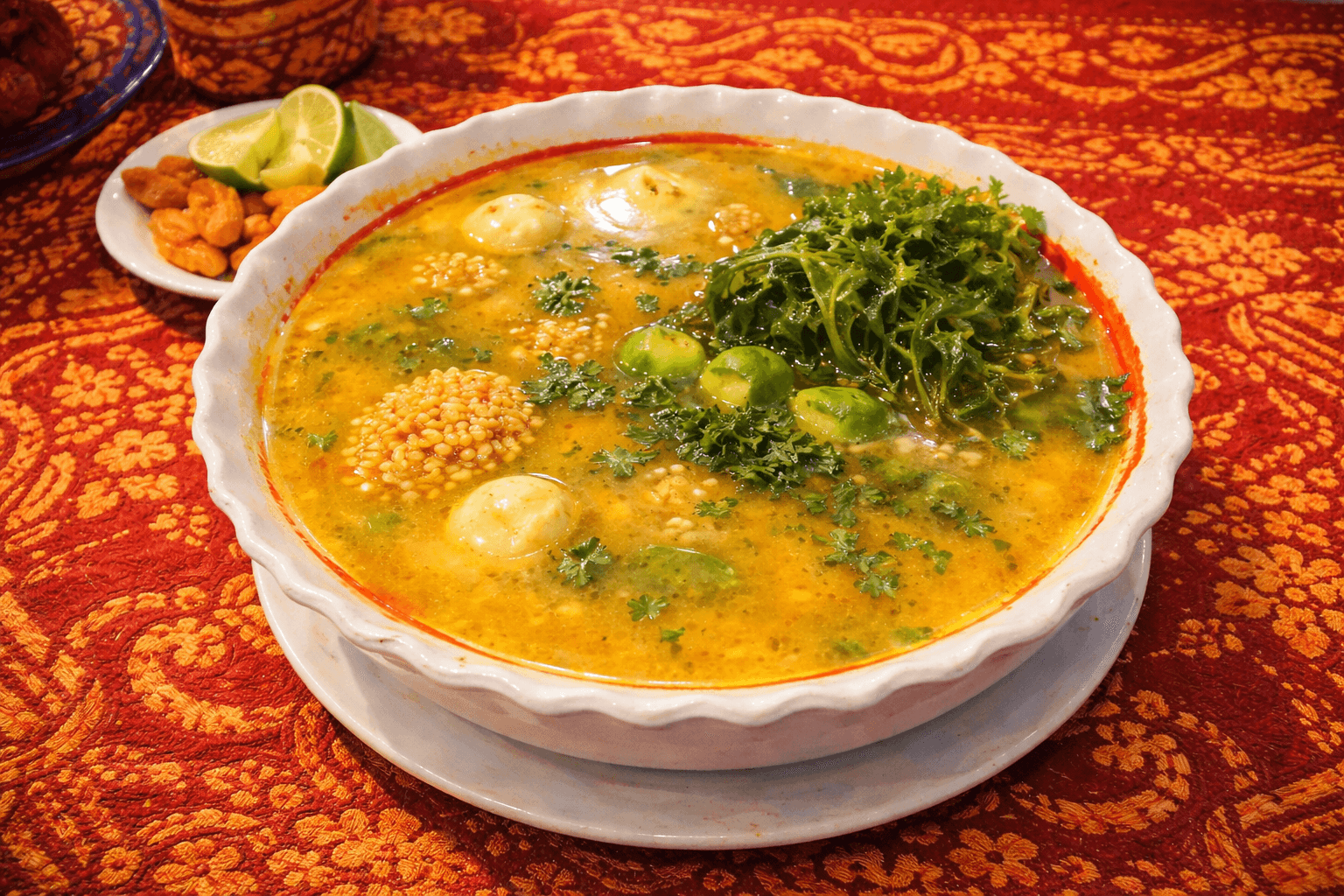
Although the inclusion of the Chiri Uchuin the patron saint's festival is somewhat “recent,” this dish, one of the most representative of Cusco cuisine, is now an integral part of the celebration.
Traditionally associated with significant festivals, preparing and consuming the dish reinforces the ritual and festive nature of the San Sebastián celebrations.
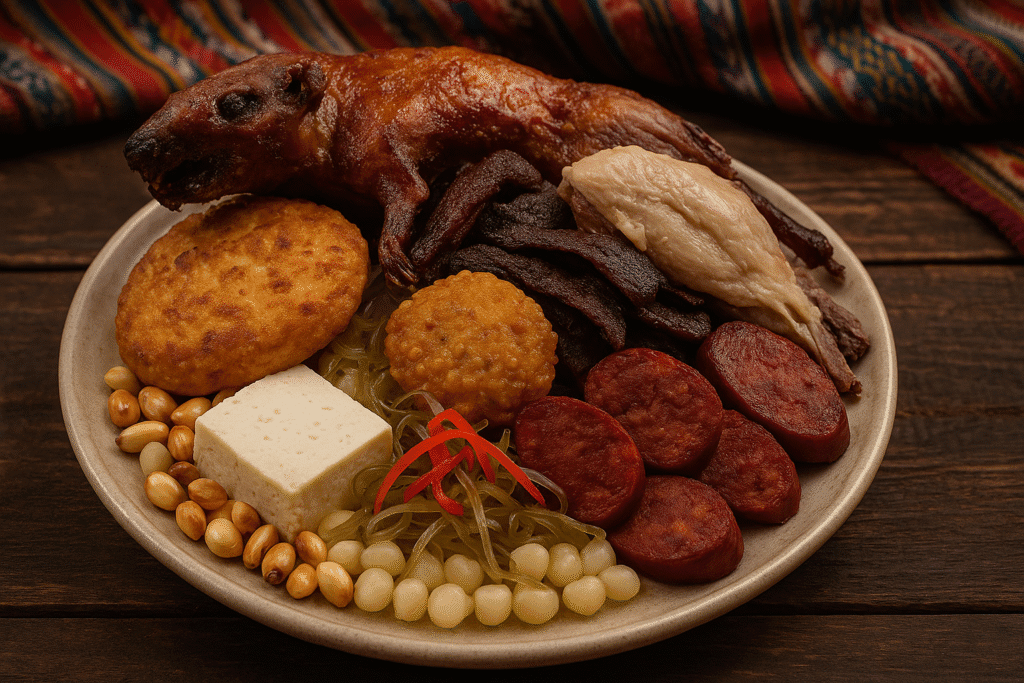
In recent years, dishes such as pork rinds and pork cooked in a Chinese box have begun to be included.
💃 Traditional dances of the festival
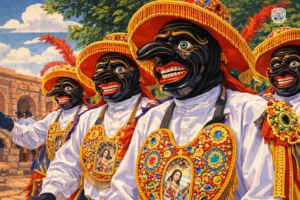
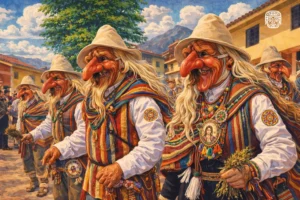
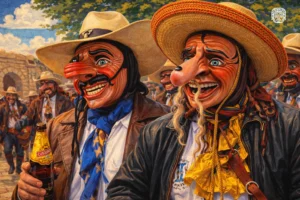
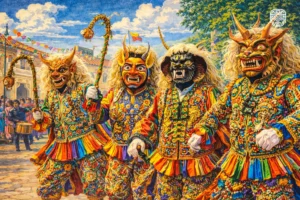
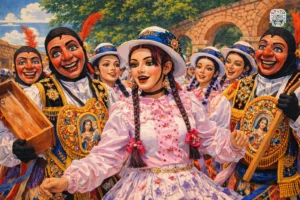
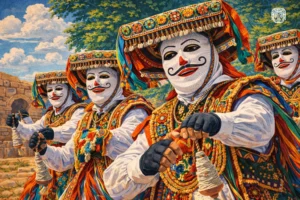
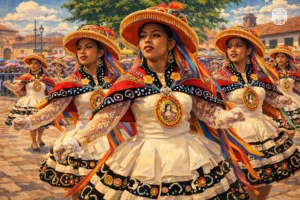
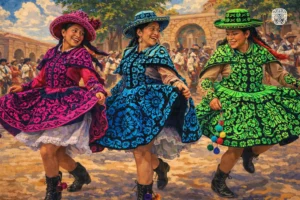
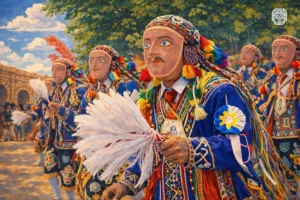
As part of the Feast of Patron Saint Sebastian celebrations, the mayordomías or comparsas perform dances in honour of the saint. These include:
- Qhapaq Qolla
- Panaderos
- Machu Machu
- Qhapaq Negro
- Mestiza Qoyacha
- K’achampa
- Danza Chumbivilcana
🎆 San Sebastián and the start of the festive year in Cusco
Saint Sebastián s more than just another celebration; it marks the beginning of Cusco's festive calendar. From this point onwards, the city enters a period of continuous patron saint festivals and celebrations that set the cultural pace for the year.
Experiencing this festival therefore means gaining an understanding of how Cusco conceives of time, not as a succession of days, but as a cycle in which community, faith and celebration are constantly renewed.